As the ball soared over the Japanese goalkeeper’s head for the fourth time, the excitement radiating from the United States players was felt throughout our proud nation. After 16 long years, the United States Women’s National Soccer Team won the World Cup for the third time, routing Japan with the help of three goals from Carli Lloyd. Lloyd, who went on to win the Golden Ball as the World Cup’s most outstanding player, said, “I knew my time was going to come,” in a New York Times interview with Jere Longman.
As Lloyd emerged as America’s new star, Abby Wambach, previously considered the face of female soccer in the U.S., came to terms with her lesser role on the team. She barely saw the field, occasionally being pulled in at the end of games to give the starters some rest. However, Wambach welcomed this role, claiming all she wanted was to finally win a World Cup. After more than a decade playing on the U.S. National Team, she finally got her World Cup victory, with the help of her rising star teammates.
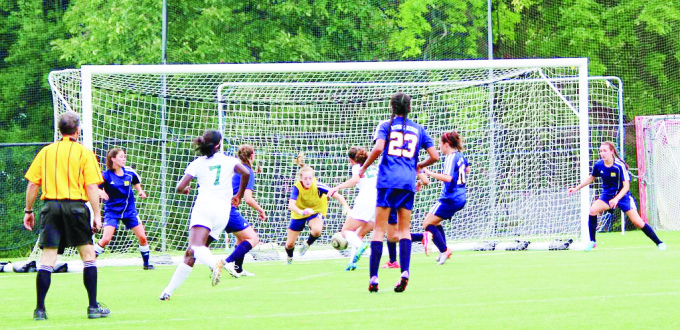
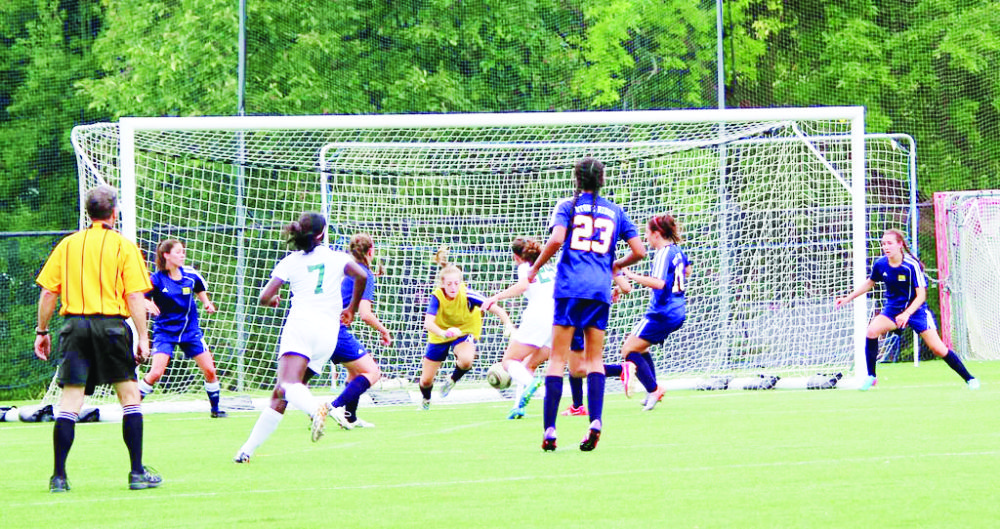
With the U.S. victory, interest in women’s soccer is at an all time high; merchandise sales even spiked immensely. Even soccer games at the new Gator Field are attracting more spectators than ever before. Maybe the increasing number of spectators is due to the field’s conveniently close proximity to the Upper School academic building, to an especially spirited student body, or to the pure, simple fact that our sports games, and women’s sports as a whole, are finally attracting the attention they deserve.
The victory was a step in the right direction for women’s sports, but the big win over Japan has highlighted the prevalent disparity in pay between women’s and men’s sports. The champion women’s World Cup soccer team makes about 40 times less than the men’s team, which is currently ranked the 27th soccer team in the world. The women’s World Cup champions received a 2 million dollar bonus while the German men, who won the Cup last year, were awarded a 35 million dollar bonus.
Salaries in the National Women’s Soccer League range from $6,000 to $30,000, which puts some players below the poverty line, depending on where they live. So, some professional female soccer players, depending on their location, technically live in poverty. Women’s soccer has one of the largest gender-based pay divides in any workplace, let alone in sports. One reason for this pay gap is television ratings and reviews; people often consider women’s sports are boring or not worth watching. However, it seems the 25.4 million Americans who tuned in to the World Cup final match would disagree.
Although the Stone Ridge soccer team is not yet World Cup qualified, members of our local women’s professional soccer team, the Washington Spirit, have been coming to campus to work with the Varsity Soccer team. According to Sophie Lovett, ’18, the Spirit players stretch them and teach them “trigger-point therapy,” which uses tennis balls to roll out muscles and thereby prevent injury.
So far this season, the number of supporters at Varsity Soccer games has been “pretty good, especially on the turf. But even more supporters would be nice,” says Lovett. Go take a look at the fall sports schedule and go support your fellow gators!
Leave a Reply